
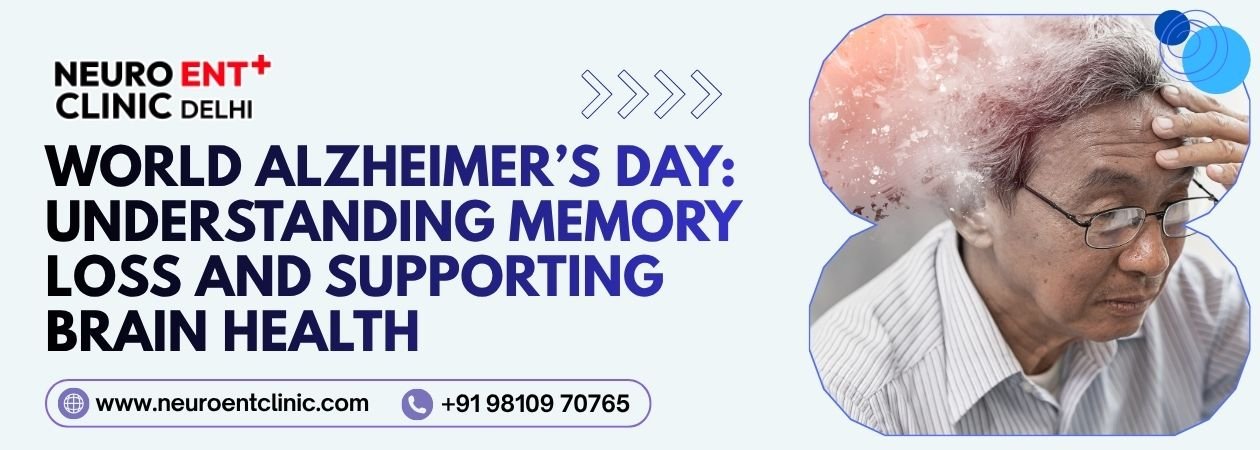
World Alzheimer’s Day, observed every year on September 21, is an important opportunity to raise awareness about Alzheimer’s disease and other forms of dementia. It encourages people to understand the early signs of memory-related disorders, reduce stigma, and recognize the importance of timely medical evaluation and compassionate care.
Alzheimer’s disease is a progressive neurological condition that primarily affects memory, thinking, reasoning, and the ability to perform everyday activities. While occasional forgetfulness can happen with normal ageing, persistent or worsening memory problems should not be ignored.
The symptoms of Alzheimer’s disease can develop gradually. Some common warning signs include:
Experiencing one of these symptoms does not necessarily mean a person has Alzheimer’s disease. Several medical conditions can cause memory and cognitive problems. Therefore, proper evaluation by a qualified healthcare professional is important.
Early assessment can help identify potentially treatable causes of memory problems and determine whether symptoms are related to Alzheimer’s disease, another form of dementia, or a different neurological condition. A medical evaluation may include a detailed history, cognitive assessment, physical and neurological examination, and additional investigations when required.
Early identification can also help families understand the condition, plan for future care, address safety concerns, and provide appropriate support.
There is no single way to completely prevent Alzheimer’s disease, but maintaining overall brain and cardiovascular health is important. Regular physical activity, adequate sleep, a balanced diet, social engagement, mentally stimulating activities, and management of conditions such as high blood pressure and diabetes can contribute to overall health.
Most importantly, people experiencing persistent changes in memory or thinking should receive support rather than criticism or embarrassment. Patience, understanding, and a supportive environment can make a meaningful difference to both individuals and their caregivers.
This World Alzheimer’s Day, let us spread awareness that memory loss deserves attention, not dismissal. Recognizing changes early and seeking appropriate medical advice can help individuals and families understand their situation and explore suitable care and support.
Neuro ENT Clinic, Delhi is committed to providing comprehensive neurological care with compassion and a patient-centered approach.
Every brain matters. Every memory matters. Every life counts.
Welcome NeuroENT